
Part 2: “Be Ready”
Preparing a Defense from the Hope Within

In the first part, we considered what it means to honor Christ the Lord as holy in our hearts so that a living hope becomes visible in us. Peter’s words in 1 Peter 3:15 do not stop there. They move from the inner reality to outward readiness: “always being prepared to make a defense to anyone who asks you for a reason for the hope that is in you.”
“Be ready.” Those two words carry more weight than we often admit. They do not mean having a scripted answer for every objection. They point to a steady, lived readiness that includes the courage to ask hard questions and the humility to seek honest answers.
Readiness Includes Healthy Curiosity
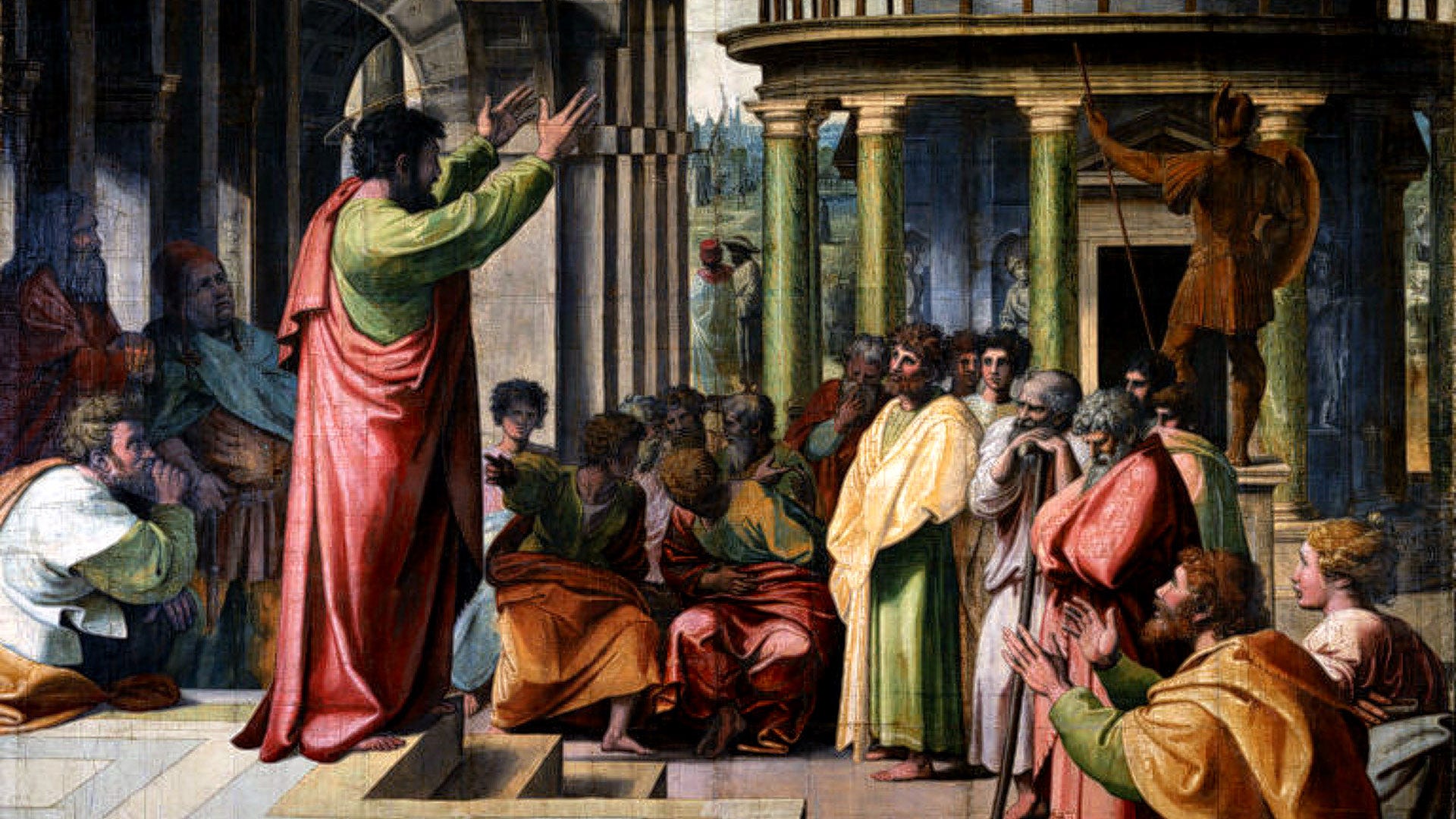
The Bereans in Acts 17 are a wonderful biblical picture of this. When Paul preached in their synagogue, they “received the word with all eagerness” but did not stop there. They “examined the Scriptures daily to see if these things were so.” Luke calls them noble for this posture. Their readiness was not passive acceptance or fearful skepticism. It was an active, curious attention to Truth — a willingness to test what they heard against the Word of God.
Being ready, then, is a mode of healthy curiosity about our world. It is giving sustained attention to reality as it is, ever seeking Truth rather than protecting comfortable assumptions. Many of us hesitate to ask difficult questions because we fear they might lead to doubt. We worry that probing too deeply could weaken our faith. Reason and honest questioning are not enemies of trust; they are tools for deepening it. Christ Himself was never afraid of questions. He welcomed them, answered them, and sometimes responded with a question of His own.
Gary Habermas offers a helpful framework for understanding the doubts that arise in this process. He identifies three main categories:
Factual doubt arises when we question the historical or evidential foundations of our faith. It pushes us to seek better reasons and stronger evidence.
Emotional doubt surfaces in seasons of fear, grief, or despair, when feelings temporarily cloud our sense of God’s presence and care.
Volitional doubt is rooted in the will. It appears when we struggle with obedience, repentance, or the cost of following Christ.
Being ready means we do not run from these doubts. We bring them into the light, talk about them in community, and seek answers with integrity. This kind of honest inquiry is part of what it means to love God with our minds.
Truth That Can Be Spoken Plainly
At the center of any good defense is Truth. Not clever rhetoric, but the patient commitment to what corresponds to reality as God has made it. Jesus did not evade hard questions. He spoke with clarity and authority, yet always in the service of love and restoration.
This is why the first of the three Ts I often return to is Truth. It is the refusal to spin, to hide, or to reshape reality for comfort or advantage. When we are willing to say what is true even when it costs us, and when we are willing to ask what is true even when the answer might challenge us, people begin to sense that our hope is not built on illusion.
Readiness in the Everyday
Being ready does not require us to be experts in every field. It asks us to be faithful in the places we actually live. It looks like the parent who answers a child’s hard question honestly instead of evading it. It looks like the coworker who can explain why they believe what they believe without turning the lunch break into a heated debate (even though I would love to return to serious people talking about serious ideas again). It looks like the believer who, after a season of doubt, can say, “I wrestled with this, and here is where I landed — and I’m still open to learning.”
Readiness also means knowing the limits of our own understanding. There is humility in saying, “I don’t know.” That humility is not weakness; it is part of being prepared.
Peter’s command is not a burden laid on anxious shoulders. It is an invitation to live from the hope already within us. The same Christ who is our hope is also the One who equips us to speak of Him — and to ask the questions that draw us closer to Him.
As we learn to be ready, may our lives become the kind of quiet testimony that provokes the very question Peter assumes someone will ask: “What is the hope that is in you?”