

“Is that it?”
Someone asked that question after hearing Taps at the Alabama National Cemetery during our 30 Days of Taps campaign.
To put it simply, I knew what he meant. Taps is brief; its twenty-four notes are finished in less than a minute. If someone shows up expecting a concert or a longer ceremony, the end may feel abrupt. The bugler then lowers his instrument, the last note dies away, and all that remains is silence.
Maybe the silence is, in fact, part of what we came there to experience.
We live in a world in which we have few chances to be quiet. There is nearly always something playing, flashing, or asking for our attention. Even in a peaceful moment, most of us automatically pick up our phones (I have to remember to put my phone on ‘silent’ every time I play taps because it inevitably goes off). Because we have gotten used to constant stimulation, silence tends to make us uneasy, and if no one is speaking or anything is happening, we start to wonder if anything is taking place at all.
“Is that it?”
The Taps might not be too short. We might have forgotten how to stay present after the sound has stopped.
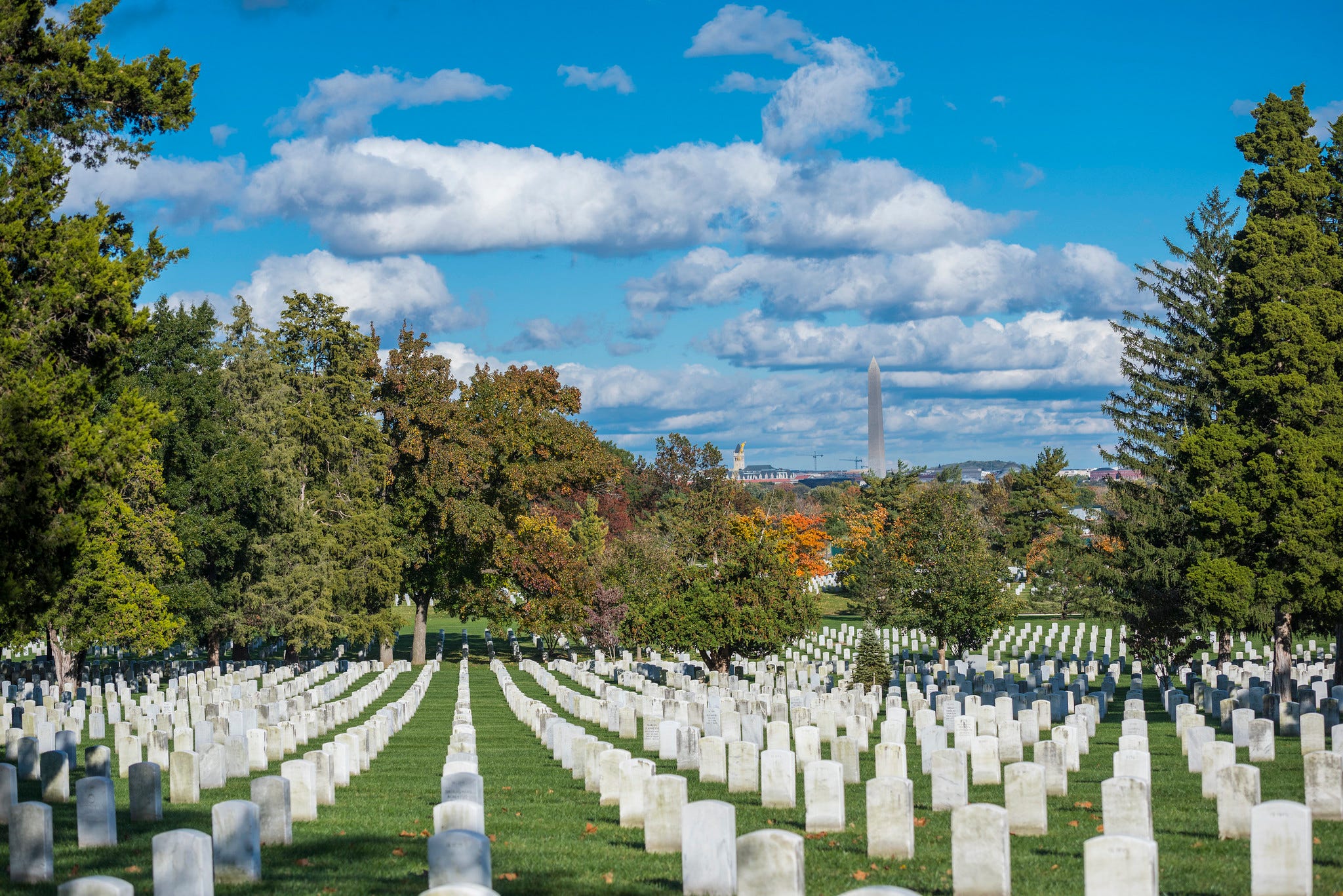
The cemetery urges us to slow down; the rows of white headstones stand for lives lived, families who still remember, and sacrifices that cannot be fully expressed in a single ceremony. Taps doesn’t attempt to explain all of this. It offers us a chance to express our grief and gratitude for a few moments before leaving us in silence once again. It forces our attention inward and then outward…not many moments do that anymore.
The Bible does not regard silence as meaningless or valueless; on numerous occasions, silence is the time when people listen, wait, grieve, pray, remember, and come to recognize God's presence.
The message of Psalm 46:10, “Be still, and know that I am God,” is harder than it may seem at first, even though the verse is often printed on signs and used for comfort. To be still means giving up our desire to control what is happening in the moment and realizing that God is present even when we are not speaking, working, or making anything happen.
Elijah also learned a similar lesson in 1 Kings 19; he was on Mount Horeb when a strong wind swept over the mountains, followed by an earthquake and then by a fire. But the Lord was not present in any of these things. It was only afterward that a different version of the text speaks of a soft whisper, a quiet voice, or even the sound of complete silence.
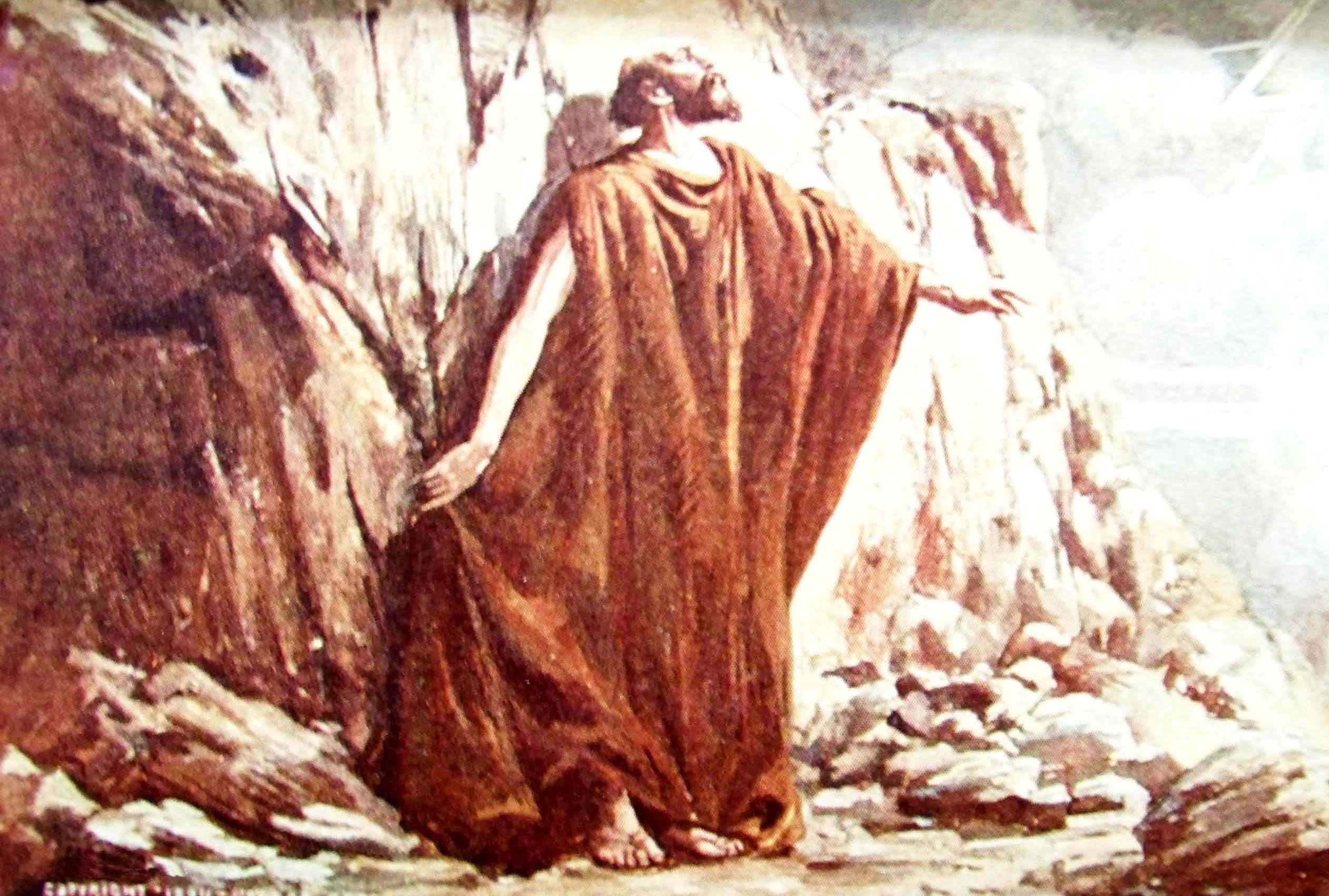
It is natural to expect that important things should be accompanied by a loud noise; we look for the wind, the earthquake, and the fire, and suppose that anything powerful must also be dramatic. Yet Elijah met God after the noise had stopped.
We might be tempted to think the ceremony should continue when we hear Taps, since the silence seems too limited to hold the significance of the moment. It is possible, then, that the quiet is urging us to listen and attend more carefully.
The words in Habakkuk 2:20 read: “The Lord is in his holy temple; let all the earth be silent before him.” The silence referred to in this passage is not to be understood as a lack of worship; it is, in fact, a form of worship and is the appropriate reaction to the holiness and authority of God. There are times when speaking is of no benefit and may even be detrimental.
The book of Ecclesiastes states that there is “a time for silence and a time for speaking”. A part of wisdom consists in knowing how to make this distinction; we often have the impression that every silence should be broken, but some moments are worth leaving undisturbed. Certain experiences are so heavy that they cannot be explained right away.
Grief is one of those things.
The book of Lamentations states that “it is good to wait in silence for the salvation of the Lord”. It does not skip over suffering or offer easy solutions to it. Instead, it lets sorrow stay sorrow, and, even so, it retains hope.
A national cemetery like the one in Montevallo Alabama is also a place where grief and hope coexist. We are grateful for the lives it represents, but feeling grateful does not mean that the loss is gone. The quiet that comes after Taps gives us the opportunity to embrace both emotions. It enables us to remember without at once seeking to make ourselves comfortable once more.
The first words of Psalm 62 are “For God alone my soul waits in silence”. Silently waiting does not mean that nothing is taking place; it is an act of trust that involves choosing to stop striving long enough to realize that our lives are in the hands of something greater than ourselves.
Jesus kept on preferring such quiet. According to Mark, he got up early in the morning, went somewhere by himself, and prayed. Luke states that Jesus “frequently went to isolated places and prayed”. Before selecting the twelve apostles, he spent the night in prayer and asked his weary disciples to come with him to a quiet place to rest.
There were always people around Jesus who wanted something from him—crowds to teach, the sick to heal, questions to answer, and arguments to face. Nevertheless, he did not consider withdrawal and silence to be a waste of time and instead intentionally left space for them.
Since Jesus had to pull himself away from the noise, it might not be surprising if we needed to do the same.
The scene at the Garden of Gethsemane presents an even more difficult depiction of stillness. On the night before his execution, Jesus left to pray and asked his disciples to stay with him and keep watch, but they were unable to do so and fell asleep.
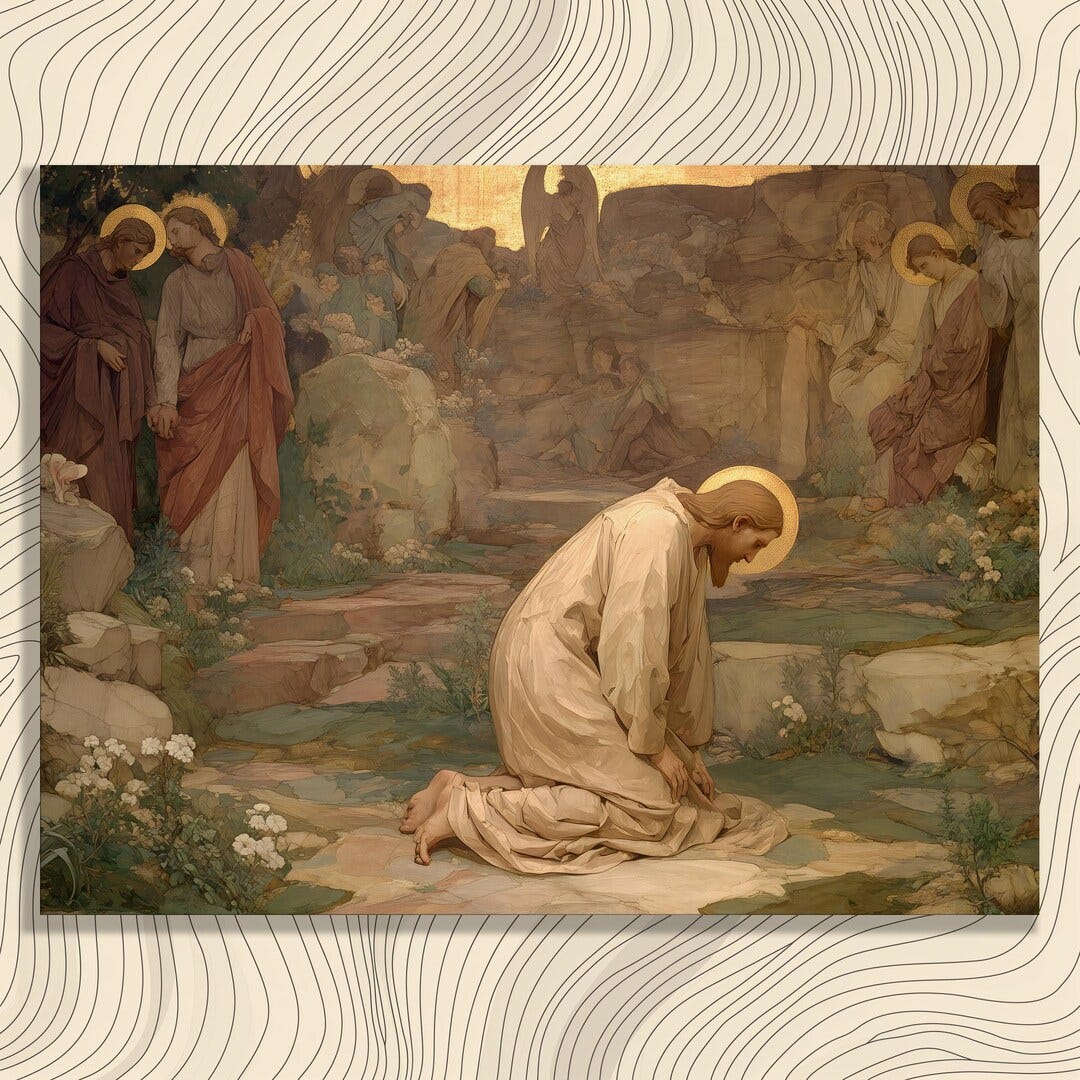
I know their weakness better than I should like to admit. It is difficult to stay present in a painful moment. We usually want to get away from it, divert our attention, or rush quickly towards something easier. However, remembrance requires us to remain vigilant and asks us to stay a little while, even at the cost of sacrifice.
That is one of the things we do whenever we are among the graves and hear Taps: we take watch by pausing what we are doing, remembering the people who served, and choosing not to let their sacrifices fade into the background of our busy lives.
Mary provides us with another example of quiet attention. Following the birth of Jesus, Luke states that she “kept all these things to herself and thought about them in her heart”. She did not at once explain everything that had happened to her; instead, she kept it to herself and let its meaning develop.
Certain things have to be considered if they are to be understood; perhaps remembrance is similar in this respect. All that happens when we hear the notes is the start of the process; we have to keep them with us and allow them to act upon us after the music has finished.
Heaven is at times silent. According to Revelation 8, there was silence in heaven for about half an hour; at a moment of great importance, heaven does not respond at once with noise or activity and therefore remains silent.
It is one of the most surprising things that the Scripture teaches us concerning silence: silence does not always mean that nothing is happening; at times, it shows that something important enough to require more than ordinary words is taking place.
So, was that it?
Certainly, in that regard. The twenty-four notes had been played. The bugler had finished his duty. There was no second song and no lengthy performance….On the other hand, it was by no means over.
The last note of Taps signals the start of another thing. It allows us to look at the stones nearby and recall that each one has a name on it. It enables us to consider the families who still feel the absence of their loved ones. It gives us the opportunity to be grateful for the freedoms gained at a cost. It offers us the chance to pray. It gives us the time to shift our focus. It gives us the opportunity to listen.
Even if the taps last less than a minute, remembrance was never intended to end with the last note.
Maybe the question should be, “Is that all?”
Maybe the more appropriate question is if we are willing to stay put long enough to listen to and think about what the silence has to say.....
I just can't wait til the first of every week so I can read what is written by my talented Son. I thank God for him everyday. He is truly a gift from God.